Putney business cleaning: Wandsworth compliance checklist
If you run or manage a workplace in Putney, the cleaning itself is only half the story. The other half is making sure the service is safe, documented, and aligned with the kind of compliance expectations Wandsworth businesses actually face day to day. That is where a practical Putney business cleaning: Wandsworth compliance checklist helps. It cuts through the noise, shows you what to ask for, and reduces the chance of awkward surprises later - the kind nobody enjoys when a landlord, facilities manager, or auditor suddenly wants answers.
This guide walks through what the checklist should cover, why it matters, how to use it properly, and where business cleaning in Putney often goes wrong. You will also find a step-by-step process, a comparison table, a real-world example, and a hands-on checklist you can use straight away. Nothing fluffy. Just the stuff that actually helps when the office smells a bit stale on a Monday morning and the cleaner needs to know which areas matter most.
Why Putney business cleaning: Wandsworth compliance checklist Matters
Business cleaning can look straightforward from the outside. Floors get cleaned, bins are emptied, desks are wiped, and everyone carries on. But once you add shared entrances, staff welfare, customer safety, waste handling, and building rules, it becomes a compliance issue as much as a cleaning task. In Wandsworth, that reality is especially relevant for mixed-use buildings, offices near busy routes, and premises with public access.
A good checklist does three things. First, it helps you confirm the cleaner is working to a sensible standard. Second, it gives you evidence that you have taken reasonable steps as a business owner, manager, or tenant. Third, it helps you spot weak areas early - before they turn into complaints, insurance headaches, or avoidable downtime. Truth be told, most cleaning problems are not dramatic; they are small misses that build up quietly.
Think of the checklist as a bridge between daily cleaning and responsible management. It is not there to complicate life. It is there to make the process less messy, less vague, and easier to defend if anyone asks, "Who checked this?"
For businesses that need dependable standards across offices, carpets, shared spaces, or high-traffic areas, linking cleaning with the right service mix matters too. A building with reception traffic may need office cleaning, regular attention to window cleaning, and occasional steam carpet cleaning rather than a one-size-fits-all visit. That flexibility is part of compliance, even if it does not always get called that.
How Putney business cleaning: Wandsworth compliance checklist Works
In practice, the checklist works like a controlled handover between your business and the cleaning provider. You define what must be cleaned, how often, what hazards exist, and what records should be kept. The cleaning team then uses that brief to deliver consistent work. Simple in theory. Less simple in reality, which is why the written checklist matters.
Most strong checklists cover four layers:
- Scope - which rooms, fixtures, and surfaces are included.
- Risk - anything that could create a slip, contamination, access, or safeguarding issue.
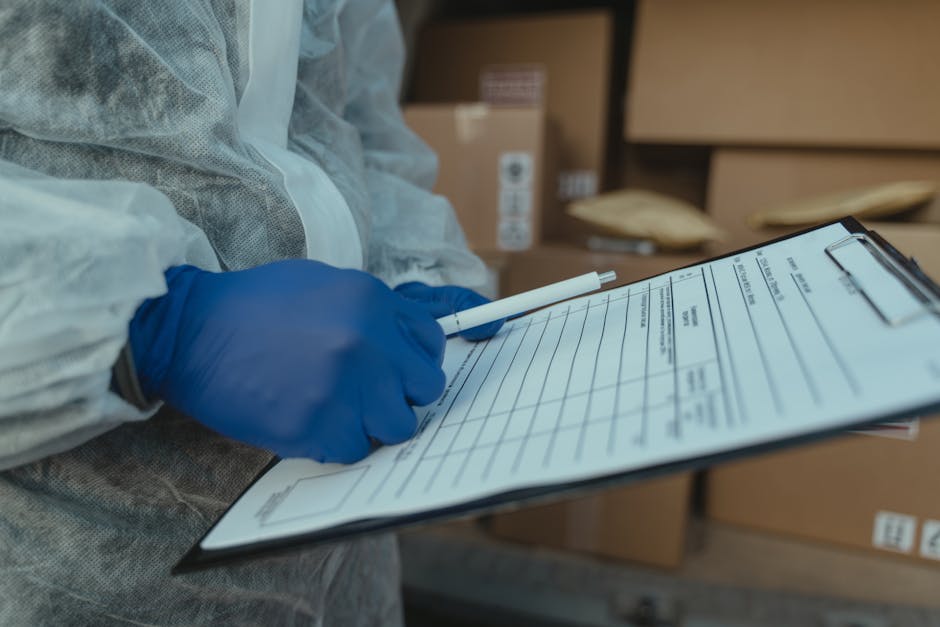
- Evidence - who signed off, when the work happened, and what was done.
- Review - how often the plan is checked and updated.
That might sound a bit formal for cleaning, but it saves time later. For example, if your premises have a polished hard floor in the entrance, a broken mat, and a wet-weather footfall problem, the checklist should say so clearly. If not, you are relying on memory, and memory is a terrible compliance system after a busy week.
Businesses often pair the checklist with a cleaning schedule or service plan. A general contract for commercial cleaning may cover routine tasks, while specialist needs like commercial carpet cleaning, hard floor cleaning, or deep cleaning are added when required. That layered approach is usually more realistic than expecting one visit to do everything.
To be fair, a checklist should not become a paperwork monster. If it is so long that nobody uses it, it has failed. The best ones are plain, specific, and easy to tick off without second-guessing.
Key Benefits and Practical Advantages
A well-built compliance checklist does more than keep the place tidy. It improves consistency, protects staff and visitors, and gives managers a more confident way to oversee cleaning performance. You feel the difference pretty quickly once the basics are under control.
- Better consistency: Tasks are not left to guesswork or whoever happens to be on shift.
- Lower risk of missed areas: Touchpoints, washrooms, and shared spaces stay on the radar.
- Stronger contractor oversight: You can compare what was promised with what was delivered.
- Useful records: Helpful if a landlord, building manager, or insurer asks for proof of regular maintenance.
- Improved staff confidence: People notice when the environment feels looked after.
There is also a commercial side. A clean, organised workspace tends to make better first impressions, especially in client-facing businesses. Not a magic trick, obviously. But first impressions matter, and a sticky reception floor or streaky glass does your brand no favours.
For some premises, the practical upside is operational. If you schedule recurring cleaning through regular cleaning, then occasional extra tasks - like oven cleaning in staff kitchens or stain removal in customer areas - can be logged separately instead of getting lost in the general workload.
One small but important benefit is fewer disputes. When expectations are written down, people argue less about what was "supposed" to be included. That alone can be worth the effort.
Who This Is For and When It Makes Sense
This checklist is useful for anyone responsible for a business premises in Putney or elsewhere in Wandsworth where cleaning, hygiene, and building standards overlap. If you manage the site, you need it. If you only oversee part of it, you still need it. If several people think someone else is handling it, then you definitely need it.
It is especially relevant for:
- office managers and workplace coordinators
- shop owners and customer-facing businesses
- landlords and letting agents with commercial units
- facilities teams managing common parts
- property managers responsible for shared entrances or corridors
- start-ups setting up a first cleaning contract
It also makes sense when a business is changing use, moving into new premises, recovering after works, or trying to tighten standards after complaints. A one-off reset can help. In some cases, an after builders cleaning service is the cleanest way to get back to a usable baseline after dust, debris, and lingering plaster residue have gone everywhere except where you wanted it.
If you are moving in or out of a commercial unit, the checklist should be adjusted again. The needs of a handover are not the same as the needs of an occupied office. That sounds obvious, but many businesses treat them the same and then wonder why the result feels off.
For customer accommodation or short-let style operations, the pattern changes again. Services such as Airbnb cleaning, move in cleaning, or move out cleaning may need different turnaround expectations, supply checks, and sign-off routines. Different use, different checklist. Nice and simple.
Step-by-Step Guidance
Here is the practical version. Use these steps to build a checklist that is useful, not decorative.
- Map the premises. List every area that needs cleaning: reception, workstations, kitchens, toilets, meeting rooms, storage spaces, entrance mats, stairways, and any shared circulation areas.
- Identify cleaning frequency. Decide what needs daily attention, weekly attention, monthly deep cleaning, and occasional specialist treatment.
- Note the risks. Look for slip hazards, electrical equipment, sensitive surfaces, waste handling issues, poor ventilation, or areas where the public come into contact with staff.
- Set measurable standards. Avoid vague wording like "clean properly". Instead use clear tasks such as "wipe touchpoints," "sanitise bins," or "vacuum under desks."
- Assign responsibility. Make it clear who checks the work and who escalates problems. There should be no mystery here.
- Document the extras. Add specialist services when needed, such as upholstery cleaning, rug cleaning, or pet stain and odour removal where relevant to the premises.
- Review after the first cycle. After a week or month, see what was missed, what took too long, and what feels overcomplicated.
A practical example: a small office in Putney with ten staff might need desks, washrooms, bins, and kitchen surfaces cleaned daily, with carpets vacuumed every visit and a deeper refresh once a month. If the office has a front-facing glass door and clients arrive regularly, add window cleaning into the rotation so the entrance does not undo all the good work.
Start with the spaces that people actually touch and see. That gives you the biggest return early on. Fancy extras can wait until the basics are nailed. And the basics matter more than people think.
Expert Tips for Better Results
Here are the things that tend to improve outcomes without making the process heavier than it needs to be.
- Separate routine and specialist tasks. Keep daily cleaning distinct from periodic work like steam carpet cleaning or curtain cleaning.
- Use plain language. If the cleaner or site supervisor has to decode the checklist, it is too clever by half.
- Include photos where helpful. A simple before-and-after image can settle a lot of "was this done?" questions.
- Keep a fault log. Broken dispensers, leaks, and damaged flooring should be recorded separately from the cleaning tasks themselves.
- Plan around footfall. Early mornings, lunchtime, and end-of-day clean windows often work better than trying to clean around everyone at once.
Another small but useful tip: ask for the checklist to reflect actual use, not theoretical use. A meeting room that is booked twice a month does not need the same attention as a reception area with constant visitors. Common sense, really, but easy to miss when contracts are written too broadly.
If you manage a building with shared spaces, a service like communal area cleaning may need separate rules for lifts, corridors, bannisters, and entry mats. Those spaces create a lot of visual judgement. People notice when they are dusty. They notice fast.
And one more thing. Ask the cleaning provider what they do when they find a problem. Do they report it? Photograph it? Escalate it? That response process is part of compliance too, even if it rarely gets written down properly.
Common Mistakes to Avoid
The biggest mistakes are usually boring ones, which is probably why they keep happening. Nothing dramatic. Just slow, avoidable slippage.
- Being too vague: "Clean office" is not enough. Which office? Which surfaces? How often?
- Ignoring shared areas: Corridors, stairs, and reception points matter as much as private rooms.
- Forgetting specialist surfaces: Hard flooring, glass, and fabric need different handling.
- Not updating the checklist: If the layout changes, the cleaning plan should change too.
- Leaving reporting to memory: A verbal update is useful; a written record is better.
- Mixing up cleaning and maintenance: A cleaning team can report damage, but they should not be expected to fix building faults.
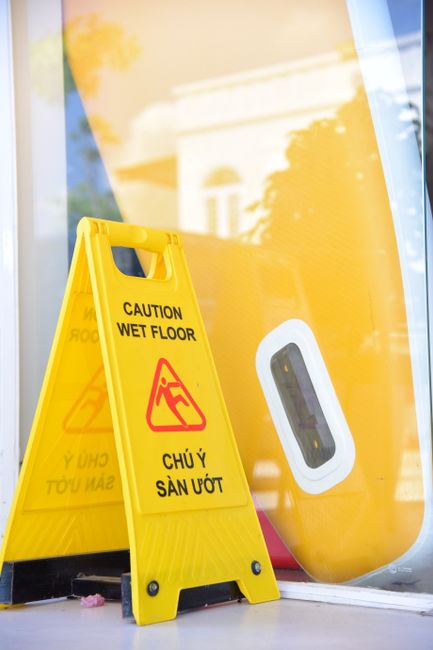
One trap worth flagging is under-specifying hygiene-sensitive areas. Toilets and kitchenettes are not the place for casual wording. Likewise, if you have heavy foot traffic or weather exposure at the entrance, you may need extra attention to mats, floors, and entry glass. If the first thing visitors see is a muddy swirl on the threshold, the rest of the building has already started from behind.
Another common problem is overpromising. Businesses sometimes ask for a service level that sounds great on paper but is impossible to sustain with the budget or timing available. Better to set a realistic standard and actually meet it. That is far more credible, and frankly far less stressful.
Tools, Resources and Recommendations
You do not need a complicated system to manage business cleaning compliance. A good spreadsheet, a shared digital folder, or a simple paper log can work if it is maintained properly. The tool matters less than the discipline behind it.
Helpful items to keep on hand include:
- a site-specific cleaning schedule
- a risk log for spills, access issues, and damaged fixtures
- a sign-off sheet or digital checklist
- basic incident reporting notes for problems found during cleaning
- clear instructions for waste handling and recycling separation
If you want a provider with service information and policy pages in one place, it can be worth reviewing pages such as health and safety policy, insurance and safety, and recycling and sustainability. Those pages help you understand how a company thinks about risk, responsibility, and waste handling before you even ask for a quote.
For budgeting, a clear pricing and quotes page can make early comparison easier. And if you are comparing terms around payment, scheduling, or service expectations, terms and conditions should never be skipped. Nobody enjoys reading terms, but skipping them tends to create more work later. Funny how that works.
When the service relationship needs extra clarity, trust signals matter. Pages like about us, contact us, complaints procedure, and payment and security can help you judge how organised and responsive the provider is. That is not just admin. It is part of choosing a partner you can actually rely on.
Law, Compliance, Standards, or Best Practice
This topic touches practical compliance rather than one single rulebook. In the UK, businesses are generally expected to manage workplace health and safety responsibly, keep premises reasonably clean, and reduce avoidable hazards. The exact obligations vary by premises type, activities carried out, and who uses the space. So it is best to treat this as a best-practice checklist informed by common UK business expectations, not as legal advice.
In plain English, that means your cleaning process should help you do a few sensible things:
- reduce slip and trip risks
- keep washrooms and food prep areas hygienic
- manage waste appropriately
- record what has been cleaned and when
- make sure anyone working in the space can do so safely
If your building has public access, shared circulation routes, or staff kitchens, the standard of documentation should be better than "we think it got done." In practice, that usually means a site-specific plan, named responsibility, and a review process. Nothing exotic. Just proper housekeeping.
Where cleaning overlaps with construction dust, specialist access, or waste removal, you may need a narrower service scope. For example, a refurbishment handover might need after builders cleaning rather than routine maintenance. A cluttered flat or office clearance may also need house clearance style support where items and debris must be removed before the space can be cleaned properly. Different job, different risk profile.
Best practice also means being realistic about limits. A cleaning company can handle the agreed tasks, but it should not be asked to certify building safety, fix electrical faults, or guess what the landlord intended. Clear boundaries protect everyone.
Options, Methods, or Comparison Table
There are several ways to organise cleaning compliance. The right one depends on the size of the site, the number of users, and how much oversight you need. Here is a simple comparison.
| Method | Best for | Strengths | Limitations |
|---|---|---|---|
| Basic paper checklist | Small offices or low-complexity premises | Easy to use, low cost, quick to set up | Can be lost, incomplete, or inconsistently filed |
| Shared digital checklist | Teams with managers, cleaners, and supervisors | Clear records, easier oversight, simple updates | Needs consistent user discipline |
| Contract + schedule + sign-off log | Busy offices, shared buildings, or client-facing sites | Strong accountability, better handover, more evidence | Takes more time to set up |
| Fully outsourced managed cleaning | Sites needing regular oversight and wider service coordination | Less internal admin, clearer responsibility, scalable | Requires trust in the provider and clear scope control |
For many Putney businesses, the sweet spot is somewhere between a simple schedule and a managed service. If the site is small, do not overbuild the system. If the site is busy, do not under-document it. That balance is the whole game.
Specialist add-ons can be slotted in as needed. A reception-heavy workplace might need carpet cleaning to keep flooring presentable, while a higher-traffic shared space may benefit from hard floor cleaning to maintain a safe, tidy finish. The method should fit the surface, not the other way around.
Case Study or Real-World Example
A small professional services office in Putney came to us with a familiar problem: the space looked acceptable at first glance, but staff kept noticing the same small misses. The kitchen sink was tidy but not really clean. The reception mat trapped grit. The meeting room glass was smudged by midweek. Nothing catastrophic. Just enough to make the place feel a bit tired.
Rather than rebuilding the whole process, the manager used a simple compliance checklist. The team separated daily tasks from weekly tasks, assigned one person to review the sign-off sheet, and added periodic deep-clean items for the carpets and soft furnishings. They also made one useful change: anything missed during a visit had to be logged the same day, not remembered later. That one tweak made a big difference.
After that, the cleaning stopped feeling random. Staff knew what to expect, the cleaner knew what mattered most, and the manager had a clearer picture of what was actually being delivered. It was not glamorous. But it worked. And honestly, that is usually the goal.
In another nearby setting, a communal hallway above commercial premises needed a different approach. The shared areas were not "just a corridor"; they were the first thing customers saw and the only route for everyone. So the plan included communal area cleaning alongside regular touchpoint checks. That kind of small, practical adjustment can prevent a lot of niggles later.
Practical Checklist
Use this as a working checklist for Putney business cleaning compliance. Adjust it to suit your premises, because no two sites are exactly the same.
- Have all areas been identified in writing?
- Are daily, weekly, and monthly tasks separated clearly?
- Are high-touch points included, such as handles, switches, and shared desks?
- Are washrooms and kitchen areas covered with specific instructions?
- Have entry mats, stairs, and walkways been assessed for slip risk?
- Are waste and recycling responsibilities explained?
- Is there a process for reporting damage or spills?
- Do you know who signs off completed cleaning?
- Are specialist services listed where needed, such as fabric, glass, or floor treatments?
- Is the checklist reviewed after changes to layout, occupancy, or use?
It also helps to check whether the provider has sensible service coverage for your actual requirements. Some sites mainly need routine upkeep. Others need periodic extras like sofa cleaning, mattress cleaning, or facade cleaning if the property presents to the street and the exterior has become grubby. The cleaner can only work with the brief they are given, after all.
Expert summary: if your checklist is short, specific, and reviewed regularly, it is far more likely to protect your business than a long document that nobody opens. Keep it usable, keep it honest, and keep it alive.
Get a free quote today and see how much you can save.
Conclusion
A solid Putney business cleaning compliance checklist is not about bureaucracy for its own sake. It is about making standards visible, reducing risk, and creating a cleaner, calmer working environment that people can trust. When cleaning is organised properly, it shows. People notice the entrance, the washroom, the carpet edges, the glass, the little things. Those little things are rarely little to a visitor.
If you keep the checklist practical, write the scope clearly, and review it when the premises change, you will avoid most of the usual headaches. And if you need specialist cleaning support along the way, tie it into the same system rather than treating it as a one-off scramble. That is usually where businesses save time and keep control.
At the end of the day, good cleaning compliance is really about confidence. The quiet kind. The sort that makes a workplace feel looked after, even on a wet Tuesday in London when everyone arrives a bit hurried and nobody wants surprises.
Frequently Asked Questions
What is a Putney business cleaning compliance checklist?
It is a written list of cleaning tasks, responsibilities, risks, and review points used to make sure a business premises is cleaned consistently and responsibly. In Putney and the wider Wandsworth area, it is especially useful for sites with staff, visitors, or shared spaces.
Why does business cleaning need a compliance checklist at all?
Because cleaning is not just about appearance. It affects safety, hygiene, records, and accountability. A checklist helps you show what has been done, what still needs attention, and who is responsible for checking it.
How detailed should the checklist be?
Detailed enough to be useful, but not so long that nobody uses it. It should name the areas, the tasks, the frequency, and the person responsible. If it needs a glossary to be understood, it is probably too complicated.
Does every office in Putney need the same cleaning schedule?
No. A small office with limited footfall will not need the same schedule as a client-facing premises or a shared building. The checklist should reflect the actual use of the space, not a generic template.
What are the most important areas to include?
Reception spaces, toilets, kitchens, desks, high-touch points, entryways, floors, and shared circulation routes are usually the priority. If the site has fabric seating, glass partitions, or heavy footfall, those should be included too.
How often should the checklist be reviewed?
At minimum, review it when the building use changes, the layout changes, or recurring issues appear. For busy sites, a monthly or quarterly review is often sensible. The main point is not to let it go stale.
What should I ask a cleaning company before hiring them?
Ask what their scope includes, how they record completed work, how they handle problems, whether they have suitable insurance and safety information, and how they manage complaints. Clear answers matter more than polished sales talk.
Can one service cover all my cleaning needs?
Sometimes, but not always. Routine upkeep may be fine under a standard contract, while specialist tasks such as steam cleaning, upholstery work, or after-builders work may need separate scheduling. Different jobs, different tools.
How do I know if my cleaning checklist is compliant enough?
Ask whether it helps you identify risks, track completed work, and respond to issues quickly. If it does those three things, you are probably in a good place. If it is vague or never updated, it is not doing enough.
What is the biggest mistake businesses make with cleaning compliance?
The biggest mistake is assuming someone else is handling it properly without checking. That sounds harsh, but it is common. A simple checklist and sign-off process usually fixes more than people expect.
Do shared areas need separate cleaning rules?
Yes, usually they do. Corridors, stairwells, lobbies, and entrance points often have different risks and footfall patterns from private rooms. Shared areas are also where people form their first impression, so they deserve proper attention.
Where should I start if my current cleaning process feels messy?
Start by listing the premises area by area, then divide tasks into daily, weekly, and periodic work. After that, add simple sign-off and issue-reporting steps. Small structure first. Fancy systems later, if you still need them.