Red wine stain removal for Putney homes
Posted on 02/06/2026
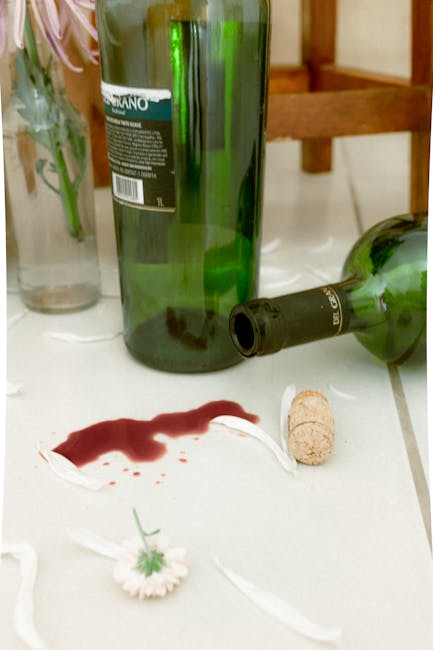
Red wine stain removal for Putney homes: a practical guide for carpets, sofas, and everyday accidents
If you live in Putney, you probably know the scene: a relaxed dinner, a glass tipped a little too far, and suddenly there is a dark red bloom spreading across the carpet. It happens fast. Red wine stain removal for Putney homes is one of those jobs that feels simple for the first few seconds and then gets complicated very quickly.
The good news? With the right approach, many wine stains can be reduced dramatically, and some can be removed completely. The trick is acting early, using the right products, and not making the stain worse by scrubbing it into the fibres. This guide walks you through what works, what does not, and when it makes sense to get professional help. We will keep it practical, local, and easy to follow.
For homeowners, tenants, and landlords in Putney, this matters for more than appearances. A treated stain can protect carpet fibres, preserve upholstery, and avoid that lingering faint pink shadow that seems to stare back at you every time the light hits the room. Let's get into it.
Why Red wine stain removal for Putney homes Matters
Red wine is one of those stains that can look smaller than it really is. The liquid spreads through carpet pile, sinks into underlay, and can cling to upholstery fibres in a way that is annoyingly stubborn. If you catch it early, you may only need a mild cleaning solution and a bit of patience. Leave it too long and you are dealing with tannins, pigments, and a stain that has had time to set. Not ideal, to put it mildly.
In many Putney homes, there is a mix of practical realities that make stain care worth taking seriously. You might have wool carpets in a period flat, a light-coloured sofa in a modern riverside apartment, or a rented property where keeping the deposit intact matters. One small spill can become a much bigger problem if it is handled badly. That is especially true on delicate fabrics, older carpets, and anything with a protective finish that you do not want to damage.
There is also the everyday reality of London living. Busy households, narrow spaces, friends coming and going after dinner, the odd bottle opened a little too close to the sofa... it happens. A good stain response is less about perfection and more about reducing damage quickly and calmly. If the spill is on carpet, the broader advice in carpet cleaning in Putney can help you understand when spot treatment is enough and when a deeper clean is the safer choice.
For landlords and tenants, there is a practical angle too. A visible wine stain can affect how a room feels. It can also influence cleaning expectations at the end of a tenancy, particularly if the stain was avoidable or left untreated. If you are preparing a property, it is worth looking at broader support such as end of tenancy cleaning in Putney or even house cleaning in Putney for more routine upkeep.
Key takeaway: the sooner you treat a red wine spill, the better your chances of saving the surface. Delay is the real enemy here, not the stain itself.
How Red wine stain removal for Putney homes Works
At a basic level, red wine stain removal works by lifting the pigment before it bonds fully with the surface. That means the first goal is always to stop the stain spreading, then dilute it, then draw it out. On carpets and upholstery, the fibres hold liquid in different ways, so the technique matters. A blotting motion, for example, is very different from rubbing. Blotting lifts liquid away. Rubbing pushes it deeper. Simple, but crucial.
Wine contains colour compounds that cling particularly well to fibres. If the spill contains sugar or is mixed with food grease, it becomes even trickier. Heat can also make matters worse. A warm iron, a hot cloth, or aggressive drying can set the stain. In plain English: keep things cool, gentle, and controlled.
The approach also depends on the material. A synthetic carpet may tolerate a slightly broader range of spot cleaners, while wool needs much more care. Upholstery can vary even more, because the fabric weave, backing, and cushion filling all affect how the liquid travels. That is why a careful test patch is never a waste of time. It is the boring step that saves the expensive mistake.
If you are dealing with a sofa, chair, or ottoman, it may help to understand how different fabrics respond. The service page for upholstery cleaning in Putney is a useful reference point for what professional fabric care usually involves.
In practice, the stain-removal process follows a few repeated principles:
- act quickly before the wine dries
- blot, do not scrub
- use as little liquid as possible at first
- test any cleaning solution in a hidden area
- work from the outside of the stain inward
- finish by rinsing away residue, if safe to do so
That last point is often forgotten. A stain may look improved but still leave a residue that attracts dirt later. Then the patch starts to look darker again after a few days. A bit maddening, honestly.
Key Benefits and Practical Advantages
Good stain removal is not just about making a mark disappear. It is about preserving the material, reducing stress, and preventing a quick fix from becoming a repair job. In a Putney home, where carpets and soft furnishings can be a real investment, those benefits matter.
The first benefit is obvious: appearance. A treated stain restores the room visually and stops that one patch becoming the thing everyone notices. You know the feeling. You walk in, the room is otherwise tidy, and your eye goes straight to the stain. It is a bit like a smudge on glasses, except much harder to ignore.
Another benefit is cost control. Early intervention often means you can handle the issue with items already in the house: clean white cloths, a little cold water, and a mild cleaning agent. Leave it too long and you may need specialist treatment. That is still often worthwhile, but it is no longer the quick win.
There is also a hygiene angle. Spills that are not cleaned properly can leave sticky residue, attract dirt, and in some cases encourage odour retention. This is especially true on cushions or in carpet underlay where moisture lingers. For homes with pets or children, that is an extra reason to deal with it promptly.
And then there is the emotional relief. This may sound minor, but it is real. A fresh wine spill can turn a lovely evening into a small domestic crisis. Having a clear plan helps you stay calm. Deep breath, cloth in hand, start from the outside. That alone can make the whole thing feel manageable.
Who This Is For and When It Makes Sense
Red wine stain removal for Putney homes is relevant to a wide range of people, not just those who entertain often. If you have a light carpet, a fabric sofa, or a dining area that sees regular use, it is worth knowing what to do before a spill happens. The same goes for renters who want to avoid cleaning issues when moving out.
It is especially useful for:
- homeowners with carpets, rugs, or upholstered furniture
- tenants trying to protect a deposit
- landlords preparing a property between lets
- families with busy kitchens or open-plan living spaces
- people hosting dinners, birthdays, or small gatherings
- anyone with wool, blended, or delicate fabrics that need careful handling
It makes sense to try home treatment when the spill is fresh, the fabric is relatively sturdy, and you know what material you are dealing with. It is less sensible when the stain is old, the fabric is delicate, or the surface has already been treated with an unknown product. In those cases, piling more cleaning chemicals on top is not bravery. It is just risky.
Putney also has plenty of homes where access and drying can be a consideration. Riverside flats, busy shared houses, and compact rooms do not always dry quickly. If the carpet stays damp too long, you can end up with a bigger problem than the original wine mark. If the spill feels widespread, you may want to read about emergency carpet cleaning after floods in Putney for a sense of how moisture-heavy situations are handled.
Step-by-Step Guidance
Here is a practical approach you can use at home. It is not flashy, but it works better than panic and paper towels.
- Act immediately. If the wine is still wet, pick up a clean white cloth or paper towel and blot gently. Do not press hard. You are trying to lift liquid, not grind it down.
- Work from the edge inward. This helps stop the stain spreading into a wider halo. Small circles with a clean section of cloth each time are better than one big messy rub.
- Use cold water sparingly. A little cold water can dilute the wine and make blotting more effective. Too much water can spread the stain into the backing or underlay, which is not what you want.
- Apply a mild cleaning solution only if suitable. Use a gentle, fabric-appropriate cleaner. Always test first in a hidden patch. If the material reacts badly, stop there.
- Blot again. Alternate between treatment and blotting until the stain fades. Change cloths often so you are not just moving wine back and forth.
- Rinse carefully. If the fabric allows it, lightly rinse with clean water to remove residue. Then blot until damp, not wet.
- Dry naturally. Let the area air dry. Good ventilation helps. A fan can help too, but avoid heat unless the fabric instructions clearly allow it.
- Check for a ring. Once dry, inspect the area in daylight. Rings sometimes appear later because residue was left behind. If that happens, repeat with care rather than making the patch wetter and wetter.
If the stain is on a rug that can be lifted, place a clean absorbent towel underneath the affected section if possible. This can help draw moisture down and away. A small domestic detail, yes, but it often helps. Life is full of little improvised fixes like that.
If the stain is on a sofa cushion cover, remove it only if the care label allows washing or spot cleaning. And if the label is vague, treat that as a warning rather than a challenge. Mystery fabric labels are rarely your friend.
Expert Tips for Better Results
After dealing with a lot of fabric stains over the years, one thing becomes clear: the method matters less than the patience. People usually get into trouble by moving too quickly. A calmer, lighter touch tends to outperform force.
Here are the tips that make the biggest difference:
- Use white cloths, not coloured ones. Coloured towels can bleed dye into the stain and confuse the result.
- Never scrub a fresh wine spill. Scrubbing frays fibres and drives pigment deeper.
- Keep an eye on the underlay. A carpet can look fine on top while the stain is still active underneath.
- Do not mix cleaning products. Even common household cleaners can react badly together. One product at a time is the safe rule.
- Drying is part of the job. Damp fibres can look discoloured, so give the area proper airflow.
- Know when to stop. If you have treated the area once or twice and the stain is not improving, it is often better to pause and get advice than to keep experimenting.
There is also a useful habit many people overlook: take note of what worked. If a stain response is successful, remember the steps. The next accident, because there often is a next one, will be much easier to deal with.
For homes where wine spills happen during regular entertaining, some people keep a small stain kit tucked in a kitchen drawer. Nothing fancy. Just a few clean cloths, disposable gloves if preferred, and a suitable neutral cleaner. That way you are not hunting for supplies while the stain is still spreading. Ten seconds matter here.
Common Mistakes to Avoid
Most stain disasters are not caused by one huge error. They happen through a series of small ones. One bad wipe. One too-strong cleaner. One moment of "I'll sort it later." Then the stain becomes a story.
These are the mistakes we would avoid every time:
- Waiting too long. Fresh spills are far easier to treat than dry ones.
- Rubbing aggressively. This is the big one. It pushes wine deeper and can damage pile direction.
- Using hot water first. Heat can set certain pigments and make the stain harder to remove.
- Over-wetting the area. This can spread the stain and risk moisture retention in carpet backing or cushion foam.
- Using bleach or harsh chemicals without knowing the fabric. You may remove the stain and the colour of the fabric too. Not the ideal trade.
- Skipping the test patch. Always worth it, even if it feels fussy.
- Ignoring odour or a return mark after drying. That often means the stain is still partly present.
One more subtle mistake: assuming that a stain that looks lighter while wet is fully gone. It may reappear once dry. This happens all the time on carpets, and people understandably think they have failed when they have not. The stain is just being sneaky.
Tools, Resources and Recommendations
You do not need a huge kit to handle most small wine spills. A sensible home setup is usually enough for first response. The aim is to keep things controlled, not to turn your cupboard into a chemistry lab.
Useful items to keep available:
- clean white microfibre cloths or white cotton towels
- plain paper towels for initial absorption
- cold water in a small bowl or spray bottle
- a mild fabric-safe spot cleaner
- a soft spoon or blunt edge for lifting any residue, if needed
- gloves if you prefer not to handle cleaners directly
For Putney households, it is often sensible to also keep a note of the fibre type in your carpet or sofa upholstery. That sounds slightly obsessive, maybe, but it saves time later. If you moved in and inherited the furnishings, check any care paperwork or purchase records if available.
Where the stain is on a wider carpeted area, especially in a busy family home or rented property, a professional clean may be the more efficient route. The service pages for services overview, domestic cleaning in Putney, and house cleaning in Putney are helpful if you are deciding what level of support you need.
If you are comparing providers, a transparent approach to pricing and safety matters. You can also review pricing and quotes, payment and security, and insurance and safety for useful background on what a careful service should communicate clearly.
Law, Compliance, Standards, or Best Practice
Red wine stain removal itself is not a regulated activity in the way some trades are, but good practice still matters. If you are cleaning your own home, the main concerns are fabric safety, chemical safety, and avoiding unnecessary damage. In shared homes, rented properties, or managed premises, it is wise to follow any care instructions that came with the carpet or furniture and to avoid treatments that could invalidate those instructions.
For professionals, the expectation is usually straightforward: work safely, use suitable products, communicate limits clearly, and protect the property. That includes using products in a way that aligns with general health and safety practice, especially where ventilation or sensitive occupants are involved. If you are comparing service standards, the pages on health and safety policy and about us can give a sense of the company's approach to working responsibly in homes.
It also helps to think about tenancy obligations in a practical way. Tenants are typically expected to leave the property in a reasonable condition, allowing for fair wear and tear. A fresh, untreated wine stain is usually not in that category. If you are near the end of a tenancy, sort it early rather than hoping it blends into the carpet. Spoiler: it rarely does.
Privacy, complaints handling, and clear terms are another sign of a trustworthy provider, even for a simple stain issue. If you want to understand the wider service framework, relevant background pages include terms and conditions, privacy policy, complaints procedure, and accessibility statement.
Options, Methods, or Comparison Table
Different red wine stain methods suit different situations. Here is a simple comparison to help you decide what makes sense.
| Method | Best for | Pros | Risks / Limits |
|---|---|---|---|
| Blotting with clean cloths | Fresh spills on carpet or fabric | Fast, gentle, low-cost | May not fully remove older stains |
| Cold water dilution | Fresh stains with light pigment | Helps lift colour before it sets | Too much water can spread the stain |
| Mild spot cleaner | Compatible carpets and upholstery | Improves stain removal on stubborn marks | Can damage sensitive fabrics if misused |
| Professional fabric cleaning | Old, large, or delicate stains | Better control, deeper treatment, safer assessment | Costs more than home treatment |
| Full room or whole-house clean | Multiple stains or general soiling | Consistent finish, useful for moving out or refresh | May be unnecessary for a single small stain |
If the stain is isolated and fresh, home treatment usually makes sense first. If it has already dried, or if the material is valuable, a professional approach may save you more stress in the long run. There is no prize for doing the hardest version first.
Case Study or Real-World Example
A Putney household had a small red wine spill on a light carpet after dinner on a Friday evening. Nothing dramatic at first glance, but the carpet was pale and the stain started to spread before anyone noticed. The first response was a quick blot with white towels. Good start. Then cold water was used sparingly, followed by a fabric-safe cleaner tested in a hidden corner.
The stain faded, but a faint ring remained after drying. That is the part many people miss. Rather than trying stronger cleaner after stronger cleaner, the homeowner let the area dry fully and then repeated a gentler treatment the next day. The ring reduced significantly. It was not magic. Just patience and a bit of discipline.
In another case, a sofa cushion in a smaller Putney flat was treated with too much water too quickly. The stain lightened on the surface but migrated into the foam. That left a patch with a faint odour and a drying mark. It was fixable, but it took longer than it should have. The lesson was simple: upholstery needs less liquid, not more.
These are ordinary examples, but that is exactly the point. Most successful stain removal is ordinary, careful, and a little boring. Which is probably why it works.
Practical Checklist
Use this quick checklist if a spill happens tonight.
- get a clean white cloth immediately
- blot gently without rubbing
- avoid heat and hot water
- test any cleaner in a hidden area
- use only a small amount of liquid at a time
- work from the outside of the stain inward
- blot with fresh cloths as you go
- allow the area to dry naturally
- check for a ring once fully dry
- stop and seek help if the fabric is delicate or the stain is spreading
If you have time before guests arrive, take one extra minute to move glasses away from soft furnishings. Best prevention ever, really. Sometimes the simplest fix is just changing where the red wine lives.
Conclusion
Red wine spillages are frustrating, but they do not have to become permanent reminders on your carpet or sofa. The best red wine stain removal for Putney homes comes down to quick action, gentle technique, and knowing when to step back from a problem that is bigger than a DIY fix. A calm response usually beats a rushed one. Every time, almost.
If you remember only three things, make them these: blot, do not scrub; avoid heat; and treat the stain early. For more stubborn marks, older spills, or delicate upholstery, the safer option is often a professional clean that protects the fabric as well as the finish. Putney homes deserve that bit of care, especially when everyday life gets a little messy.
If you want broader context on the area and the kinds of homes professionals work in locally, it can also be useful to browse an inside look at Putney, life in Putney from a local perspective, and buying property in Putney. Different homes need different care, and that local detail can matter more than people think.
Get a free quote today and see how much you can save.