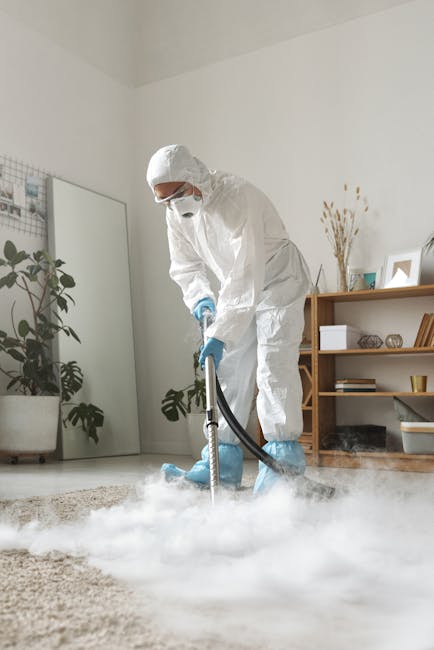
SW15 carpet cleaning zones - Putney street guide
Posted on 29/04/2026
SW15 Carpet Cleaning Zones - Putney Street Guide
Trying to work out which part of Putney you fall into for carpet cleaning can feel strangely complicated. One minute you are comparing streets near the river, the next you are wondering whether your home sits closer to East Putney, West Putney, or a busier stretch of the High Street. This SW15 carpet cleaning zones - Putney street guide is designed to cut through that confusion and help you understand how local carpet cleaning coverage typically works, what it means for bookings, and how to choose the right service for your property.
That matters because carpets do not age evenly across Putney. A flat near commuter routes, a family home with stairs and pets, a rented property between tenancies, and an office with heavier footfall all need slightly different cleaning attention. In practice, the right zone knowledge can save you time, avoid missed access issues, and make quotes more accurate. If you also want a broader look at the area, you may find this Putney neighbourhood guide and local insight into life in Putney helpful context while planning your clean.
Below, you will find a practical, street-aware overview of Putney carpet cleaning zones, what affects service planning, and how to get the best outcome from your visit. No fluff. Just a sensible guide for real homes and real businesses.
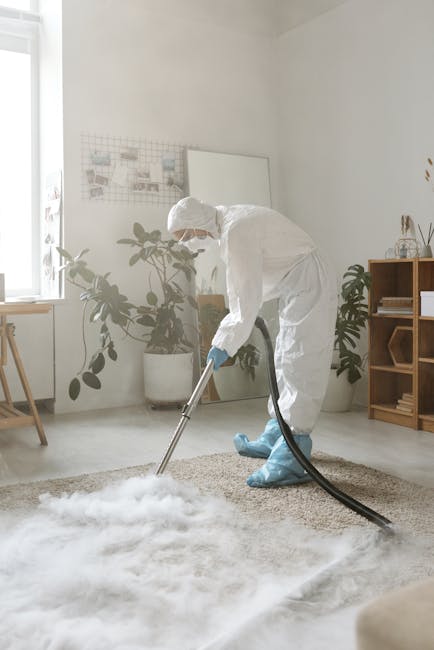
Why SW15 carpet cleaning zones - Putney street guide Matters
Local zone guidance matters because Putney is not a single uniform postcode in day-to-day service terms. SW15 covers a mix of residential streets, riverside buildings, apartment blocks, converted properties, and commercial spaces. That variety changes how a carpet clean is planned. Access can be straightforward on one road and awkward on the next. Parking may be easy on a quiet street and more demanding close to busier routes. Lift access, stair widths, resident permits, and loading restrictions can all influence timings.
For you, the value is simple: a better match between the property and the cleaning plan. If a provider understands the local layout, they can usually estimate visit length more realistically, bring the right equipment, and prepare for typical access points. That can reduce friction on the day, especially for end-of-tenancy work where timing is tight. It also helps when pairing carpet work with end of tenancy cleaning in Putney or broader domestic cleaning support.
Expert summary: Putney zone knowledge is less about rigid borders and more about practical service planning. The better the local understanding, the smoother the clean.
There is also a trust angle. A company that can talk clearly about routes, property types, and realistic arrival windows tends to feel more organised. That does not mean perfection, of course. London traffic has its own ideas. But it does mean fewer surprises.
How SW15 carpet cleaning zones - Putney street guide Works
Think of the guide as a practical way to translate a postcode into a service plan. A cleaner does not usually treat every SW15 address the same. Instead, they look at the street, the building type, the likely access, and the scope of the job.
Here is how that commonly works in practice:
- Location is confirmed. The cleaner checks your full address, nearby landmarks, and any access notes.
- Property type is assessed. Ground-floor house, mansion flat, split-level apartment, office suite, or rental turnover each bring different requirements.
- Cleaning scope is matched. A single hallway, several bedrooms, stairs, upholstery, or a full property clean all change the setup.
- Entry and parking are planned. If equipment needs to be carried in from the street, timing and logistics shift slightly.
- Method is selected. Hot water extraction, low-moisture cleaning, stain-focused treatment, or maintenance cleaning may be recommended depending on the carpet fibre and condition.
- Drying and aftercare are explained. Good planning includes airflow, furniture movement, and expected drying time.
The practical point is that "zone" does not always mean a hard service boundary. It usually means a working pattern: which streets are easy to reach, which building types are common, and how long a job may reasonably take. If you are comparing providers, ask them how they handle local access and whether their quote reflects the specifics of your street, not just the postcode.
That is especially useful around mixed-use streets and busy links where offices, flats, and family homes sit close together. If your property combines carpet care with furniture care, it can make sense to review upholstery cleaning in Putney at the same time.
Key Benefits and Practical Advantages
The obvious benefit of zone-aware carpet cleaning is convenience, but there are several other gains worth spelling out.
- More accurate booking times. Local awareness helps reduce optimistic scheduling.
- Smoother access planning. You can prepare for loading bays, permits, or stair access before the team arrives.
- Better method selection. Different homes and businesses need different approaches.
- Less disruption. A well-planned visit tends to finish with fewer delays and fewer repeat visits.
- Improved outcomes. Matching cleaning method to carpet fibre and soil level usually gives better results.
- Clearer quotes. Quotes are easier to compare when they reflect actual property conditions instead of generic assumptions.
There is also a less glamorous but very real advantage: fewer misunderstandings. Anyone who has ever booked a cleaner for a top-floor flat with no lift knows how quickly a "quick job" becomes a logistics puzzle. Zone-aware planning keeps that puzzle manageable.
From a business perspective, this is particularly useful for offices and managed premises. If you are arranging cleaning for a workplace, you may want to look at office cleaning in Putney alongside carpet care so that the cleaning schedule works around staff use and opening hours.
Who This Is For and When It Makes Sense
This guide is useful for a wide range of Putney customers, but it is especially relevant if one of the following sounds familiar:
- You live in SW15 and want a carpet clean without overpaying for unnecessary extras.
- You are moving out and need carpets cleaned before inventory checks.
- You manage a rental property and need a dependable local process.
- You run a business premises with regular footfall and want minimal downtime.
- You have pets, children, or heavy use areas that need more frequent care.
- You want a clearer understanding of how local streets and building types affect the job.
It also makes sense if you are comparing service providers and trying to decide whether one company's quote is truly more useful than another's. The cheapest option is not always the best value if access, drying time, or stain treatment are not properly considered. Equally, a more detailed quote can be worth it if it prevents a rushed visit and helps the carpets last longer.
For people buying or renting locally, it can be useful to view cleaning needs alongside property condition and move-in timing. If that is your situation, this property buying article for Putney and this look at Putney property opportunities give a helpful wider picture of the area.
Step-by-Step Guidance
If you want to plan a carpet clean in SW15 with fewer headaches, use this simple approach.
1. Confirm the full address and access details
Give the cleaner the exact street name, flat number, floor level, and any gate, intercom, or parking information. A surprising number of delays come from avoidable access uncertainty.
2. Identify the type of carpeted areas
List rooms, stairs, landings, and any high-traffic areas. Be specific. "Living room and hallway" is more useful than "a few carpets."
3. Flag problem areas early
Spills, pet odours, drink stains, tracked-in dirt, or worn traffic lanes should be mentioned before the visit. That lets the cleaner prepare the right treatment rather than guess on arrival.
4. Ask which cleaning method suits the fibre
Not every carpet should be treated the same way. Wool, synthetic blends, loop pile, and delicate fibres may call for different moisture levels or agitation. A sensible provider will explain this plainly.
5. Plan around drying time
Even when carpets are cleaned well, they still need time to dry. Good airflow helps. So does avoiding unnecessary foot traffic. If the room is a key pathway in your home, schedule carefully.
6. Combine tasks where it makes sense
If your sofa, rug, or mattress also needs attention, bundling services can be more efficient. In Putney, many customers pair carpet work with house cleaning support or a fuller services overview to plan the whole visit properly.
7. Review the quote against the job, not just the postcode
A useful quote should reflect the actual size, condition, and access requirements of the property. If a quote seems oddly low, ask what is included and what is not. That question saves annoyance later.
Expert Tips for Better Results
Good carpet cleaning is often won or lost before the machine is even switched on. A few practical habits make a real difference.
- Vacuum first. Removing loose grit improves treatment and reduces wear during cleaning.
- Move light furniture where possible. Clear access helps the cleaner work more efficiently.
- Test stain assumptions early. Fresh stains and old stains behave very differently.
- Open windows if weather allows. Gentle airflow speeds drying.
- Protect freshly cleaned areas. Try to avoid heavy traffic until the carpet is dry.
- Keep fibre type in mind. A wool carpet and a synthetic rental carpet should not always be treated the same way.
One practical observation from day-to-day cleaning work: the best results usually come from the simplest preparation. A tidy floor, a clear access route, and honest information about stains often do more for the finish than any fancy promise. The machines matter, yes, but so does common sense.
If you are booking for a busy household, think about timing too. School runs, meal prep, work calls, and pet routines all affect how easily a room can be serviced. Truth be told, a little scheduling discipline saves everyone a lot of hassle.
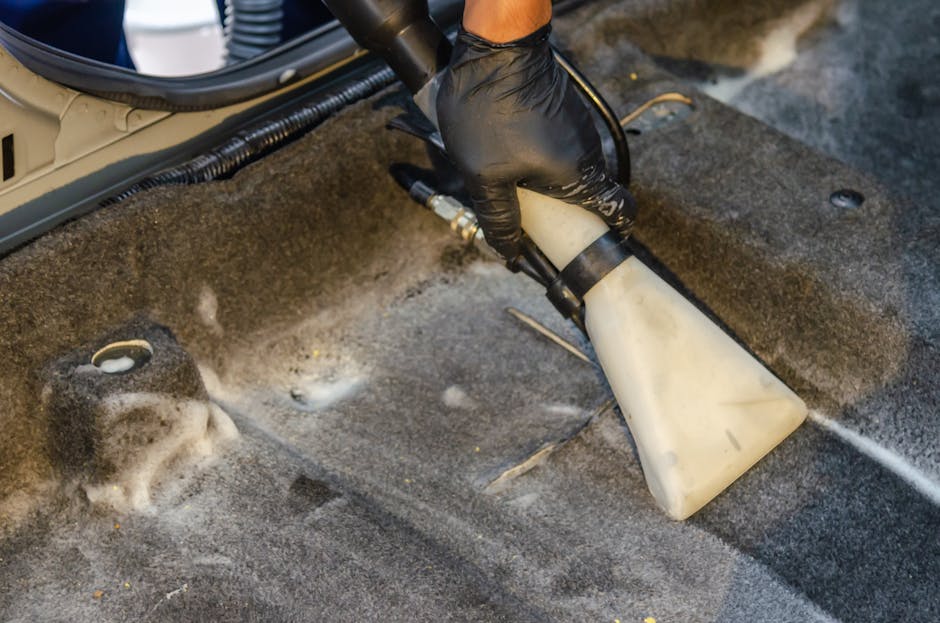
Common Mistakes to Avoid
People often make the same few mistakes when arranging carpet cleaning in SW15. Avoiding them makes the whole process easier.
- Booking on postcode alone. The street, property type, and access details matter just as much.
- Leaving stain advice until arrival. Late information limits the chance of proper pre-treatment.
- Forgetting parking or permit issues. This can delay the visit and complicate equipment unloading.
- Choosing the cheapest quote without checking scope. Low prices can hide exclusions.
- Ignoring fabric sensitivity. Some fibres need gentler treatment.
- Not planning drying time. Wet carpets in a busy home create avoidable disruption.
- Assuming one method fits all. Spot treatment, deep cleaning, and maintenance cleaning are not interchangeable.
Another mistake is not asking about aftercare. If you do not know how long to keep pets off the carpet or when to replace furniture, the clean can be undone quickly. A clear provider should explain this without drama.
Tools, Resources and Recommendations
You do not need specialist equipment to prepare well, but a few simple tools help.
- Vacuum cleaner: for loose soil removal before the appointment.
- Stain notes: a quick list of problem spots and what caused them, if known.
- Access checklist: keys, entry codes, intercom instructions, permit reminders.
- Phone photos: useful for sending stair layouts, entrance details, or difficult stains.
- Fans or open windows: helpful for drying, where appropriate.
For service planning and customer confidence, the following pages can also be useful:
- pricing and quote guidance if you want to understand how estimates are formed.
- about the company if you want background before booking.
- insurance and safety information for peace of mind around work in your home or office.
- health and safety policy details if you are arranging cleaning in a managed building or workplace.
If you like to explore the area before booking, the blog also includes local reading that puts Putney streets in context, including popular Putney social spots and a broader view through an insider's look at the neighbourhood.
Law, Compliance, Standards, or Best Practice
For most household carpet cleaning jobs, the main concern is not legal complexity but safe, sensible working practice. Even so, there are a few standards worth keeping in mind.
Safety and access: In homes, flats, and offices, cleaners should work in a way that avoids trip hazards, protects flooring, and respects building access rules. In shared buildings, that means paying attention to entry procedures, communal areas, and any site-specific instructions.
Material suitability: Good practice means using methods and products appropriate to the carpet fibre and condition. That is one reason experienced cleaners ask questions before arriving.
Clarity in service scope: Quotes, schedules, and exclusions should be understandable. If extra rooms, stain treatments, or upholstery work are outside the original plan, that should be clear up front.
Consumer transparency: While every business operates differently, a trustworthy provider should explain pricing, payment, and any limitations in plain language. If you want to review those details, it is sensible to check the company's terms and conditions and payment and security information.
For larger or more formal settings, especially workplaces, best practice often includes documenting access notes, agreeing the work window, and confirming who is responsible for room access and final sign-off. That is not bureaucracy for its own sake; it is what stops a routine clean becoming a coordination problem.
Options, Methods, or Comparison Table
Different properties in SW15 often benefit from different cleaning approaches. The right choice depends on soil level, fibre type, drying constraints, and how quickly the room needs to be used again.
| Method | Best for | Strengths | Things to consider |
|---|---|---|---|
| Hot water extraction | Most general domestic carpets and deeper soil | Strong deep-cleaning action; useful for heavy traffic areas | Requires sensible drying time and suitable carpet fibre |
| Low-moisture cleaning | Busy homes or places needing quicker turnaround | Faster drying; useful for maintenance cleans | May be less intensive on deep-set soil |
| Spot and stain treatment | Specific marks or isolated problem areas | Targets visible issues without over-wetting the whole carpet | Not always enough on its own for widespread soil |
| Combined carpet and upholstery clean | Homes with sofas, chairs, or soft furnishings due for cleaning too | Efficient visit; more consistent overall freshness | Needs careful scheduling and realistic time allowances |
In many Putney homes, the best option is not the most aggressive one. It is the one that fits the material, the room use, and the time you actually have before the room is needed again. That distinction matters more than marketing language.
Case Study or Real-World Example
Imagine a two-bedroom flat in SW15 with a hallway, living room, and stairs shared across a small building. The residents want the carpets cleaned before guests arrive at the weekend. On paper, this sounds simple. In reality, there are a few moving parts: limited parking, a second-floor walk-up, a tight schedule, and one noticeably stained landing area.
A zone-aware cleaner would approach that job differently from a detached house on a quiet residential street. They would likely confirm access in advance, ask about stair width, recommend pre-vacuuming, and set expectations about drying time. If the hallway has heavy footfall, they may focus on that area first and explain what level of improvement is realistic for older wear.
Now compare that with a family house near a quieter Putney road. Access may be easier, the setup quicker, and the cleaner may be able to allocate more time to problem spots, furniture edges, and traffic lanes. Same postcode, very different workflow.
That is the real value of a street-aware guide: not just knowing where you are, but understanding how that location affects the clean.
Practical Checklist
Use this checklist before your appointment to make the visit smoother and the result better:
- Confirm the full address, floor level, and entry instructions.
- Share parking or permit details in advance.
- List the rooms, stairs, and landings to be cleaned.
- Point out stains, odours, or wear patterns.
- Ask which cleaning method is recommended for your carpet type.
- Move small items and clear access where possible.
- Plan where furniture will sit while drying.
- Check whether you need carpet, upholstery, or full-property cleaning.
- Review the quote so you know exactly what is included.
- Leave time for airflow and drying after the visit.
For tenants and landlords, it can also help to coordinate this checklist with move-out cleaning in Putney. That way, carpets, surfaces, and final handover timing all line up properly.
Conclusion
SW15 carpet cleaning zones are really about practical service planning, not obscure postcode theory. If you understand how Putney streets, access points, property types, and cleaning methods interact, you will make better decisions, get clearer quotes, and avoid avoidable delays. That is especially useful in a neighbourhood with such a mix of homes, flats, and business premises.
The simplest advice is usually the best: know your address details, describe the job clearly, choose the right method for the carpet, and work with a provider who understands the local area. Do that, and the whole process becomes calmer, quicker, and more effective.
If you are ready to compare options or want a quote tailored to your street and property type, our team can help with practical advice and a straightforward booking process.
Get a free quote today and see how much you can save.